
All articlesJet Cards & Ownership

    Private Jet Rental vs Jet Card vs Fractional Ownership: How to Choose

    Pay as you fly, prepay for a card, or buy a share. A clear breakdown of which private jet option actually saves you money based on how often you fly.

    By P3 Jets Charter Advisory Desk•Last updated: September 2026• 12 min read

    Last reviewed September 11, 2026 by a P3 Jets charter advisor. Pricing ranges come from our own quote and booking records. See our editorial standards and AI disclosure.

    Ready to plan your next trip?

    Send us your itinerary and an advisor will respond with a quote and aircraft options.

    Speak to an Advisor
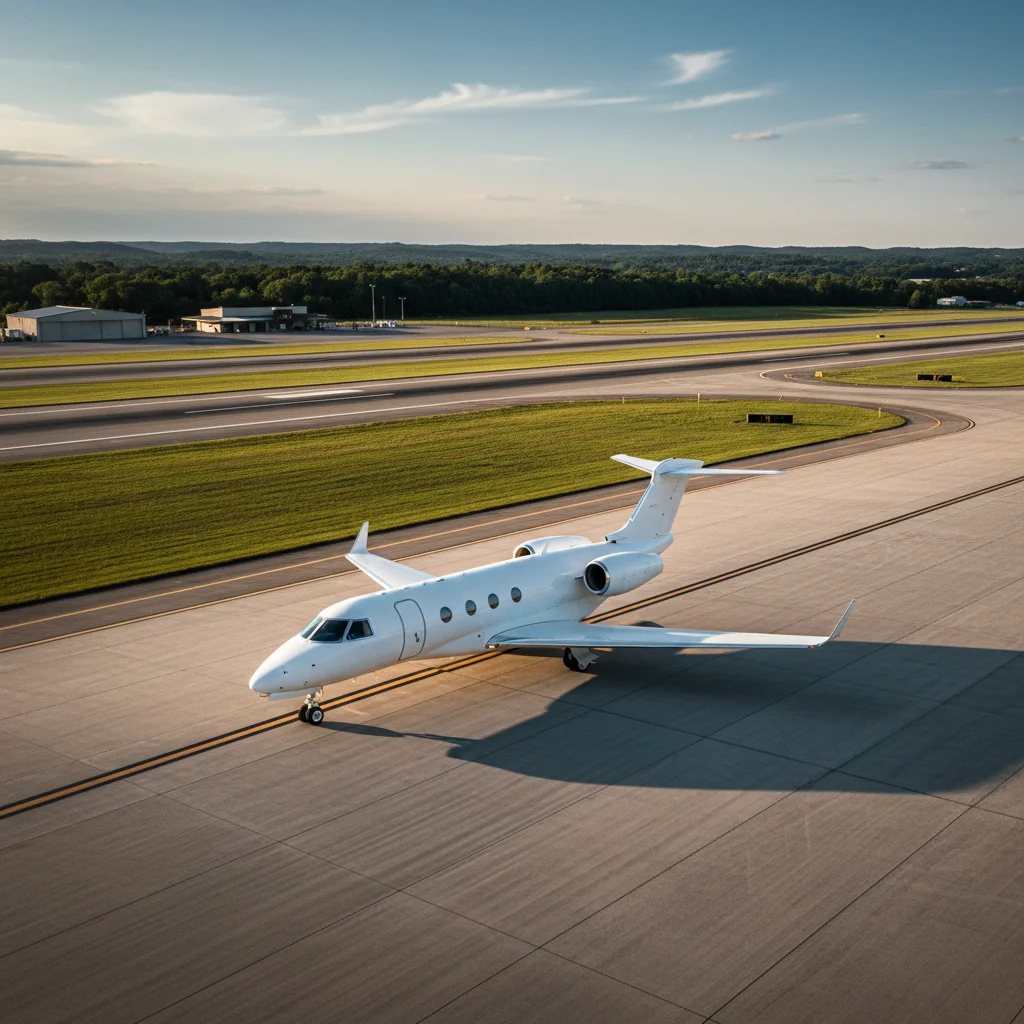
    Private Jet Rental vs Jet Card vs Fractional Ownership: How to Choose - P3 Jets private jet charter guide

    Key takeaways

    • Hours flown per year is the deciding variable: under 25 hours favors on-demand charter, 25 to 100 favors a jet card, 100 to 200 favors fractional.
    • On-demand charter in 2026 typically costs $4,000 to $10,000 per flight hour and carries no membership fee at P3 Jets.
    • Jet cards buy price certainty and guaranteed availability, not a discount; the value hides in peak day rules and expiry terms.
    • Fractional ownership adds fixed monthly cost that you pay whether you fly or not, plus a share purchase you must eventually sell back.
    • Every option in this comparison is full aircraft charter or ownership; none of them are per-seat products.

    Three products, one question: how often do you actually fly? In 2026 the private aviation market sells on-demand charter, prepaid jet cards, fractional shares and full ownership, and the right answer depends less on your net worth than on your calendar. Our advisors run this math weekly. Start with the honest hours estimate, then read on, or go straight to a real number on the charter quote page.

    Which option is right at your hours flown?

    Under about 25 flight hours a year, on-demand charter wins on almost every measure, because you pay nothing when you don't fly. Between 25 and 100 hours, a jet card starts to earn its deposit through fixed rates and guaranteed availability. Past roughly 100 hours, fractional ownership becomes defensible. Past 200, full ownership enters the conversation.

    Hours per yearBest structureCapital requiredEffective cost per hourVerdict
    Under 25On-demand charterNone$4,000 to $10,000Cleanest option, no commitment
    25 to 50Charter, or an entry jet card$0 to $150,000 deposit$5,000 to $9,500Card only if you value fixed pricing
    50 to 100Jet card$150,000 to $500,000 deposit$5,500 to $10,500Availability guarantees start to matter
    100 to 200Fractional shareShare purchase plus monthly fee$7,000 to $12,000 fully loadedContractual access, real fixed cost
    200 plusFull ownership or fractionalAircraft purchaseHighly variableA business decision, not a travel one

    That table is the whole article in miniature. Everything below explains why each row lands where it does.

    What is on-demand private jet rental?

    On-demand charter means you buy a specific aircraft for a specific trip at a market price, with no deposit and no membership. In 2026 that runs $4,000 to $10,000 per flight hour depending on category, plus repositioning, crew, airport fees and the 7.5 percent federal excise tax on domestic transportation (IRS). You get whatever aircraft is genuinely best for the mission, which is the underrated advantage.

    The obvious weakness is variability. Prices move with demand, and on the twenty busiest dates of the year our booking records show premiums of 15 to 40 percent. Availability on those days is finite no matter who you call.

    But flexibility cuts both ways. A card locks you to one provider's fleet; charter lets an advisor shop the whole market, including the empty leg inventory at 30 to 70 percent below standard charter pricing.

    How do jet cards actually work?

    A jet card converts money into hours at a fixed rate. You deposit a lump sum, typically $100,000 to $500,000, and draw it down at a contracted hourly rate by aircraft category, with a guaranteed availability window in exchange for a notice period. The card is a purchase agreement, not an investment, and the terms matter more than the headline rate.

    Card termWhat to look forWhy it mattersBest for
    Deposit size$100,000 to $500,000Sets your rate tier and your exposureFlyers who can fund a year ahead
    Fixed hourly rateBy category, all-in or plus feesAll-in rates are easier to compareBudget certainty
    Peak daysCount and definitionSome programs declare 40 plus peak daysAnyone flying holidays
    Notice period8 to 72 hoursShort notice is worth real moneyLast-minute travelers
    Expiry and refund12 to 60 months, refundable or notUnused funds can evaporateIrregular flyers
    Fuel adjustmentCapped or openUncapped clauses undo fixed pricingLong contracts

    Read the peak day calendar before the rate sheet. A program with a great rate and fifty peak days is not a great program if your family flies at Thanksgiving and spring break.

    Our own program terms are on the P3 Jet Card page, and the deeper comparison of competing programs sits in our jet card programs guide.

    Is fractional ownership worth it?

    Fractional ownership makes sense above roughly 100 flight hours a year, when guaranteed access to a specific aircraft type outweighs the fixed cost of owning a share. You buy a percentage of a specific airframe, pay a monthly management fee whether you fly or not, then pay an occupied hourly rate on top. Contracts typically run five years with a defined buyback.

    The financial catch is residual value. You're exposed to the resale market on your share, and the buyback formula in the contract does the deciding, not the open market. Read that clause twice.

    • Share sizes usually start at one sixteenth, around 50 flight hours a year.
    • Monthly management fees run into five figures on midsize and larger aircraft.
    • Occupied hourly rates are lower than charter, but the fixed cost is the real number.
    • Interchange rules let you fly a different type, sometimes at a rate adjustment.
    • Tax treatment can differ from charter; NBAA maintains current guidance and your accountant should read it.

    What does each option really cost per hour?

    Compare fully loaded cost per hour, not headline rates. For a hypothetical 40 hours a year in a midsize jet, charter and a card land within a few hundred dollars of each other, while fractional looks worse until you cross about 100 hours. The fixed cost is what moves the ranking, and fixed cost punishes light users.

    StructureAt 20 hours a yearAt 50 hoursAt 120 hoursBest for
    On-demand charterLowest total costCompetitiveHigher, but no commitmentLight and irregular flyers
    Jet cardDeposit sits idleStrong, fixed pricingStrong if peak rules fitPredictable schedules
    Fractional sharePoor valueMarginalStrongHeavy, consistent users
    Full ownershipPoor valuePoor valueDepends on utilization200 plus hours
    Empty legs alongside any of the aboveBest per-trip priceOpportunisticOpportunisticFlexible dates on busy corridors

    And here's the paradox that trips up new buyers: the products that promise savings usually require you to fly more to realize them. Buying certainty is not the same as buying value.

    Where safety and vetting fit in

    Whichever structure you pick, the aircraft is flown by an operator under an FAA Part 135 certificate, and that operator's safety record is the thing that actually matters. We book only operators that are ARGUS, Wyvern or IS-BAO vetted and Part 135 certificated. You can verify a certificate through the FAA and ask for current audit standing before you fly.

    Cards and fractional programs abstract this away from you, which is convenient right up until it isn't. Our vetting standard is written out on the operator safety page.

    Your next move

    Write down your honest flight hours for the last twelve months, not your aspirational ones. If it's under 25, book on demand and keep your capital. If it's 25 to 100, price a card against a year of charter quotes for your actual routes. If it's above 100, get fractional and ownership modeled properly before you sign a five-year contract.

    Our advisors will run all three side by side using your real trips, at no cost and with no membership requirement. Call (844) 767-8370 or start on the contact page.

    Sources and methodology

    Pricing ranges reflect P3 Jets quote and booking records over a rolling twelve months. Regulatory and travel requirements are drawn from the primary sources below.

    Frequently asked questions

    Is a jet card cheaper than chartering a private jet?

    Not usually cheaper per hour. A jet card buys price certainty and guaranteed availability rather than a discount, and its fixed hourly rate often sits slightly above the average on-demand market rate for the same category. What you get in exchange is a rate that does not move with demand, a defined notice period, and a single provider handling every trip. If you fly 25 to 100 hours a year on a predictable schedule, that certainty is worth real money. If you fly less than that, the deposit is capital sitting idle and on-demand charter almost always wins.

    How many hours do you need to fly to justify fractional ownership?

    Roughly 100 flight hours a year is the practical floor, and 200 hours is where the argument becomes comfortable. Below 100 hours, the monthly management fee spread across few trips pushes your effective cost per hour above what you would pay to charter the same aircraft type. Fractional also brings a five-year contract, a share you must eventually sell back under a formula written by the provider, and exposure to residual value. Above 100 hours the guaranteed access and consistent cabin start to outweigh those costs for most buyers.

    What is the difference between a jet card and fractional ownership?

    A jet card is a prepaid purchase of flight hours at fixed rates; you own nothing. Fractional ownership is the purchase of a percentage of a specific aircraft, with a monthly management fee and a lower occupied hourly rate. The card is simpler, shorter and fully reversible if your travel changes. Fractional is a multi-year asset decision with tax and resale consequences. Cards suit 25 to 100 hours a year, fractional suits 100 to 200, and both sit above on-demand charter in commitment and below full ownership in cost.

    Do jet card hours expire?

    Frequently, yes. Expiry windows commonly run 12 to 60 months, and programs differ on whether unused funds are refundable, partially refundable after a penalty, or forfeited. This is one of the two clauses we tell clients to read before the rate sheet, the other being the peak day calendar. If your travel is irregular, a shorter expiry window can quietly cost more than a higher hourly rate. Ask for the refund terms in writing, including what happens if the provider changes its fleet or rates mid-term.

    What are peak days on a jet card?

    Peak days are dates the provider excludes from its standard rate and availability guarantees, typically holidays and major event weekends. Programs vary widely, from about 10 declared peak days to more than 50, and the definition sometimes covers whole weeks rather than single dates. On those days you may face a surcharge, a longer notice requirement, or no guaranteed aircraft at all. Compare the actual calendar against the dates your household flies. A program with a lower rate and a fat peak calendar can end up costing more than a plainer alternative.

    Can I charter a private jet without any membership?

    Yes. On-demand charter requires no membership, deposit or initiation fee, and at P3 Jets the quote you receive is the cost of the trip. You pick the aircraft for that mission, the operator flies it under its FAA Part 135 certificate, and the relationship ends when you land. This is how most of our clients fly, including people who take ten or more trips a year. Membership products exist to smooth pricing and guarantee availability, not to unlock access, and plenty of frequent flyers never need one.

    What is the cheapest way to fly private regularly?

    For most people flying under 25 hours a year, disciplined on-demand charter is cheapest: no capital tied up, market pricing, and the freedom to right-size the aircraft for each trip. Layer in empty legs where your plans allow, since those typically run 30 to 70 percent below standard charter pricing. Choose secondary airports, fly midweek, and avoid the twenty busiest dates of the year where our records show 15 to 40 percent premiums. Regular flyers who need fixed pricing more than the lowest number should price a jet card against a full year of real quotes.

    Is fractional ownership a good investment?

    Treat it as a travel purchase, not an investment. You are buying access to an aircraft, and the share itself is a depreciating asset with a buyback price defined by contract rather than by the open market. Some owners come out fine, particularly when they fly heavily and hold the share for the full term. Others discover that the fixed monthly cost and the buyback formula erode the savings they expected. Have an aviation-literate accountant read the agreement, and model your real hours rather than your hoped-for hours.

    How much does a jet card cost to start?

    Entry deposits typically start around $100,000 and run to $500,000 or more for programs that guarantee larger cabins on short notice. The deposit is not a fee; it funds your flight hours at contracted rates. What varies between programs is the rate tier attached to each deposit level, the notice period, the peak day calendar, and the expiry and refund terms. A $100,000 card in a light jet buys somewhere between 15 and 22 flight hours in 2026 depending on the program and the aircraft category you select.

    Does a jet card guarantee aircraft availability?

    Within the contract's terms, yes, and that guarantee is the main thing you are paying for. Providers commit to sourcing an aircraft in your chosen category if you book inside the stated notice period, commonly 8 to 72 hours. The guarantee typically excludes declared peak days, and it usually allows the provider to substitute a comparable aircraft type. Read what comparable means. On-demand charter offers no such guarantee, though in practice our advisors source aircraft on same-day notice in every major US metro.

    Can I use a jet card for international flights?

    Most programs allow international trips, but the terms change. Expect a different rate structure, longer notice requirements, and separate handling of customs, permits and foreign ground costs. Some cards restrict guaranteed availability to the continental United States and treat everything else as a request. If international travel is a meaningful part of your year, price it explicitly during the comparison rather than assuming the domestic rate carries over. On-demand charter handles international routing without any of these contractual asterisks.

    What happens to my deposit if a jet card provider fails?

    That risk is real and it is why deposit protection language matters. Ask whether client funds are held in a segregated or escrow account, whether the deposit is refundable on demand, and what the notice period is for a refund request. Ask how long the provider has operated and who owns it. This is not a hypothetical concern in private aviation, and it is one of the strongest practical arguments for on-demand charter, where you pay per trip and never carry a balance with anyone.

    Ready to plan your next trip?

    Send us your itinerary and an advisor will respond with a quote and aircraft options.

    Speak to an Advisor

    Our advisors are offline until 7:00 AM ET. Our AI concierge can take your trip details now - an advisor confirms aircraft options and pricing first thing.

    P3 Jets Concierge

    AI concierge. Advisors return at 7:00 AM ET

    Our advisors are offline. I can start your trip now

    I'm the P3 Jets AI concierge. Share a few quick details and I'll take your trip request now. An advisor will confirm aircraft options and pricing with you by 7:00 AM ET.

    By submitting this form, you authorize P3 Jets to contact you by email or phone about your request. Submitting this form is not a request to receive text messages and does not opt you in to SMS. View our Privacy Policy and Terms of Service.

    We use your details only to follow up on this conversation. No spam.

    5.0496 reviews

    Rated by clients on Google & other platforms

    Read