Key takeaways
- There is no single best private jet; the best charter aircraft is the one that matches your distance, headcount and baggage without paying for unused cabin.
- The Embraer Phenom 300 series is the most-flown light jet in North American charter and handles most trips under 1,500 nautical miles.
- The Cessna Citation Latitude and Bombardier Challenger 350 cover the majority of transcontinental charter demand.
- Ultra long range aircraft such as the Gulfstream G650 and Bombardier Global 7500 exist for nonstop intercontinental missions and cost $13,000 to $19,000 per flight hour.
- An aircraft that needs a fuel stop can cost more than the larger jet that flies nonstop, because you pay for the extra landing and crew time.
Ask ten brokers for the best private jet and you'll get ten answers, all of them wrong, because the question is missing the mission. In 2026 the aircraft that wins is the one that flies your distance with your people and your bags, without charging you for cabin you never touch. So let's rank by mission instead of by brand. If you want the shortcut, our advisors will size it for you on the charter page.
What is the best private jet for charter?
For most North American charter, the best aircraft is a light jet such as the Embraer Phenom 300 or a super midsize such as the Bombardier Challenger 350, depending on distance. The Phenom covers trips under 1,500 nautical miles cheaply. The Challenger crosses the country nonstop with eight people. Everything else is a variation on those two answers.
| Mission | Recommended aircraft | Passengers | 2026 hourly rate | Best for |
|---|---|---|---|---|
| Short regional hop | Pilatus PC-12, King Air 350 | 6 to 8 | $3,900 to $5,200 | Small runways, low cost |
| Under 1,500 nm | Phenom 300, Citation CJ3+ | 6 to 7 | $4,800 to $6,500 | The everyday charter mission |
| 1,500 to 2,300 nm | Citation XLS+, Learjet 75 | 7 to 8 | $6,200 to $8,000 | More range, taller cabin |
| Nonstop transcontinental | Challenger 350, Citation Longitude | 8 to 9 | $7,500 to $9,800 | Coast to coast with a full cabin |
| Transatlantic | Gulfstream G450, Challenger 605 | 10 to 14 | $9,500 to $13,500 | Flat beds, full baggage |
| Nonstop intercontinental | Gulfstream G650, Global 7500 | 12 to 16 | $13,000 to $19,000 | Long range, large group |
Notice what's missing from that table: any claim that one airframe beats another in the abstract. Range and headcount decide, and they decide quickly.
Which light jets are worth booking in 2026?
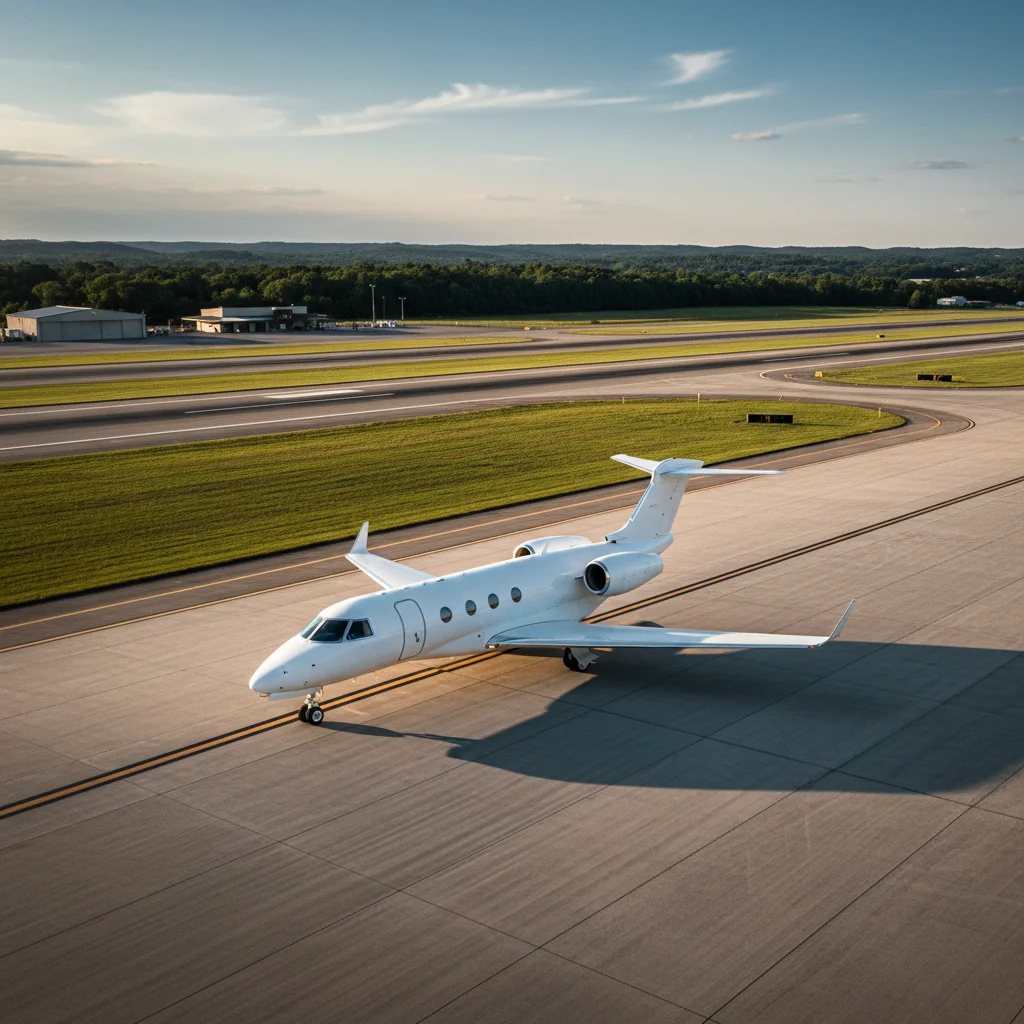
The Embraer Phenom 300 series is the strongest light jet on the charter market, with the Cessna Citation CJ3+ close behind. Both seat six comfortably, cruise near 450 knots, and handle short runways that heavier jets can't use. Rates run $4,800 to $6,500 per hour, and this category flies the majority of domestic charter trips we book.
The Phenom's cabin is quieter and its baggage hold is genuinely usable for a family of six with soft bags. The CJ3+ trades a little cabin width for excellent short-field performance, which matters at places like Aspen and Sun Valley.
Older light jets such as the Learjet 45 and Citation Bravo still fly, and they still price lower. To be fair, some are maintained beautifully. Others are the reason we check audit standing before we quote.
Cabin photos by type sit on the fleet page.
Which midsize and super midsize jets fly the most?
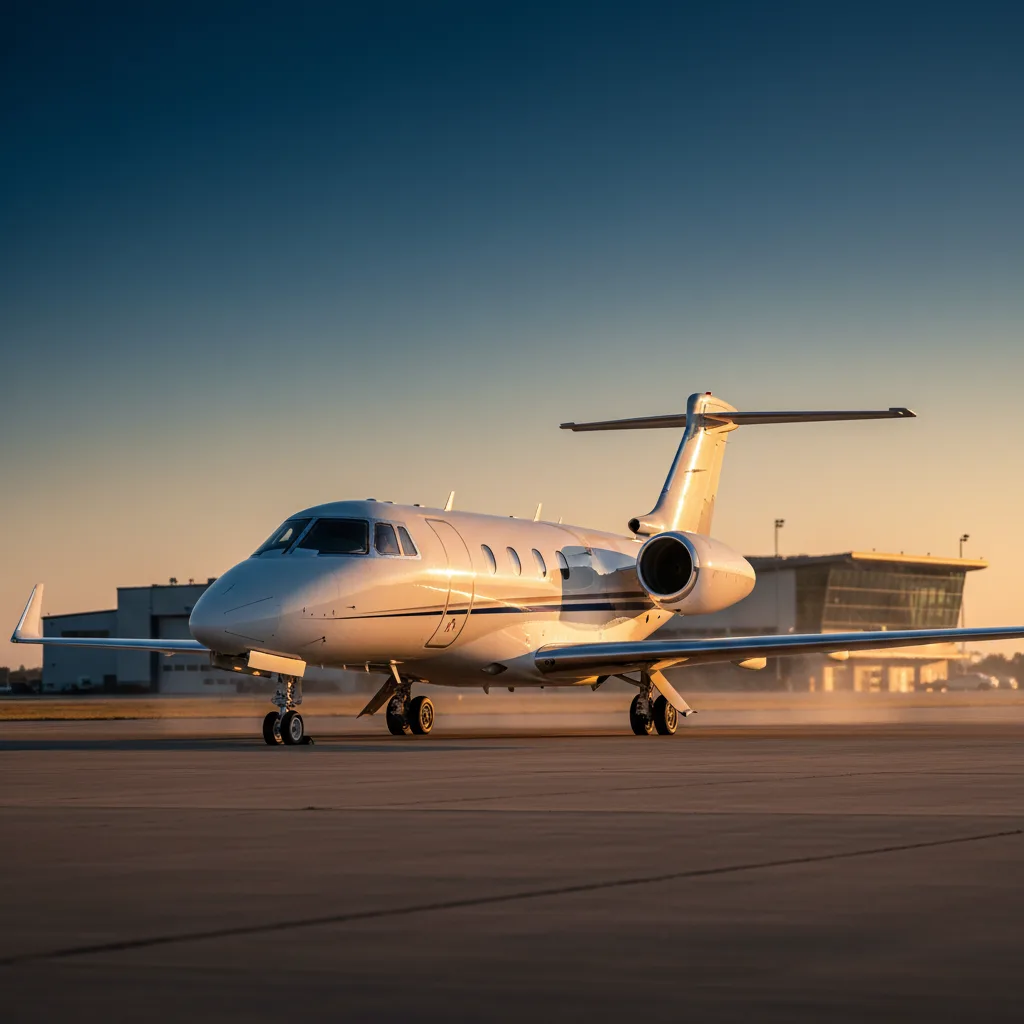
The Cessna Citation Latitude and Bombardier Challenger 350 dominate this segment, and the Citation Longitude is gaining fast. The Latitude gives you a flat floor and standing-height cabin at midsize money. The Challenger 350 flies New York to Los Angeles nonstop with eight passengers and full baggage, which is why it stays busy year round.
| Aircraft | Seats | Range (nm) | Cabin height | Verdict |
|---|---|---|---|---|
| Citation XLS+ | 8 | 1,858 | 5 ft 8 in | Best value in midsize |
| Citation Latitude | 8 | 2,700 | 6 ft | Stand-up cabin without heavy jet cost |
| Citation Longitude | 9 | 3,500 | 6 ft | Quietest cabin in class |
| Challenger 350 | 9 | 3,200 | 6 ft 1 in | The transcontinental workhorse |
| Gulfstream G280 | 9 | 3,600 | 6 ft 3 in | Best runway performance in super midsize |
| Praetor 600 | 9 | 3,900 | 6 ft | Longest range in the class |
Here's where a paradox shows up: booking a smaller jet that needs a fuel stop often costs more than the bigger jet that doesn't. Two landings, extra taxi time, an extra hour of crew duty, and a passenger cabin that was cheaper per hour and more expensive per trip.
When do you actually need a heavy or ultra long range jet?
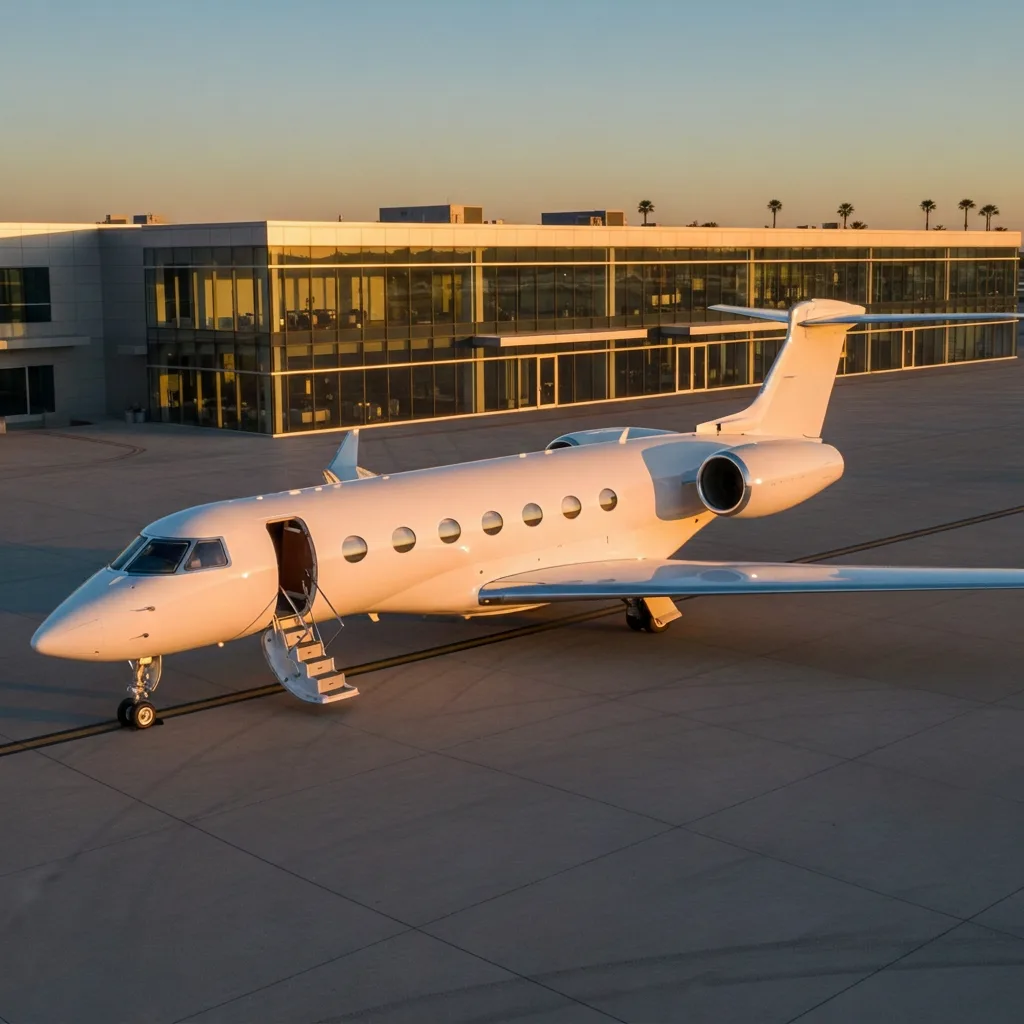
You need a heavy jet when the mission crosses an ocean, carries more than nine passengers, or requires flat beds for overnight flying. Heavy jets run $9,500 to $13,500 per hour and ultra long range aircraft $13,000 to $19,000. Below those thresholds, the extra cabin is comfort rather than capability, and it costs roughly double a super midsize.
- Gulfstream G450 and G550: proven transatlantic aircraft with excellent dispatch reliability.
- Bombardier Challenger 605 and 650: wide cabin, strong value on charter compared with Gulfstream equivalents.
- Gulfstream G650 and G650ER: nonstop New York to Tokyo range in the right conditions.
- Bombardier Global 7500: four living areas and the longest legs on the charter market.
- Airbus and Boeing corporate jets exist, but we rarely book them; the demand is thin and the positioning costs are brutal.
Manufacturer specifications for these types are published by Gulfstream and Textron Aviation, and both are useful reading before you commit to a category.
How do you match aircraft to airport?
Runway length, altitude and temperature decide which aircraft can actually use your airport, and heavier jets need more of everything. Aspen, Telluride, Sun Valley and many island fields limit you to light jets or specific types with proven performance. Your advisor should raise this before you fall in love with a cabin.
| Airport | Constraint | Works well | Avoid | Note |
|---|---|---|---|---|
| Aspen (KASE) | Altitude, runway 8,006 ft, curfew | Light and midsize | Most heavy jets | Type-specific approval required |
| Telluride (KTEX) | 9,070 ft elevation | Light jets, PC-12 | Heavy jets | Weather closes it often |
| Teterboro (KTEB) | Slot and noise rules | All categories | None | Book earlier on peak dates |
| Fort Lauderdale Executive (KFXE) | Runway 6,002 ft | Light through super midsize | Ultra long range | Cheaper than KFLL for handling |
| Nassau (MYNN) | Customs hours | All categories | None | File paperwork in advance |
| John C Tune (KJWN) | Runway 5,500 ft | Light and midsize | Heavy jets | Closest field to Brentwood, TN |
Nashville area specifics are in our Nashville charter guide.
What about aircraft age?
Age affects comfort and connectivity more than safety, because maintenance program and operator discipline drive safety outcomes. A well-maintained 2008 Citation XLS is a fine aircraft. A neglected 2019 anything is not. Ask for the tail number, the year, and the operator's ARGUS or Wyvern standing, then decide.
Newer airframes usually bring faster Wi-Fi, quieter cabins and better seats. Older ones bring lower rates. Both can be the right answer depending on whether you're working or sleeping.
Our vetting rules are on the safety page. Every operator we book is FAA Part 135 certificated and ARGUS, Wyvern or IS-BAO vetted.
Your next move
Write down the longest leg you'll fly this year, your usual headcount, and your worst-case bag load. That's the specification. Then ask for two aircraft options against it, one at the value end and one a category up, and compare the all-in numbers rather than the hourly rates.
Our advisors do this daily and there's no membership fee for on-demand charter. Call (844) 767-8370 or send the details through the contact page.
Sources and methodology
Pricing ranges reflect P3 Jets quote and booking records over a rolling twelve months. Regulatory and travel requirements are drawn from the primary sources below.