All articlesFlying Private

    Flying With Pets Privately: A Working Guide to Pet Friendly Jet Charter

    Most charter operators allow pets in the cabin with no crate. Here is what varies by operator, what paperwork you need, and how to keep a nervous dog calm at altitude.

    By P3 Jets Charter Advisory Desk•Last updated: September 2026• 11 min read

    Last reviewed September 11, 2026 by a P3 Jets charter advisor. Pricing ranges come from our own quote and booking records. See our editorial standards and AI disclosure.

    Ready to plan your next trip?

    Send us your itinerary and an advisor will respond with a quote and aircraft options.

    Speak to an Advisor
    Flying With Pets Privately: A Working Guide to Pet Friendly Jet Charter - P3 Jets private jet charter guide

    Key takeaways

    • Most charter operators allow pets in the cabin without a crate, and your pet travels with you rather than in cargo.
    • Policies are set per operator and sometimes per aircraft owner, so pets must be declared and approved at booking rather than assumed.
    • Some operators charge a pet fee or a cleaning fee; ranges are commonly $250 to $1,000 and should appear on the quote.
    • Domestic travel usually needs current rabies vaccination records; international travel needs a health certificate and destination-specific paperwork booked weeks ahead.
    • For anxious dogs, the calming levers are a familiar blanket, a walk before departure, quiet boarding and a vet conversation well before the flight.

    Flying a dog privately is one of the clearest cases where charter genuinely beats the alternative. No cargo hold, no crate, no separation, no temperature embargo, no connection. Your dog sits at your feet. What varies is the operator's policy, the paperwork for your destination and whether a fee applies, so those are the three things to settle at booking.

    Can pets fly in the cabin on a private jet?

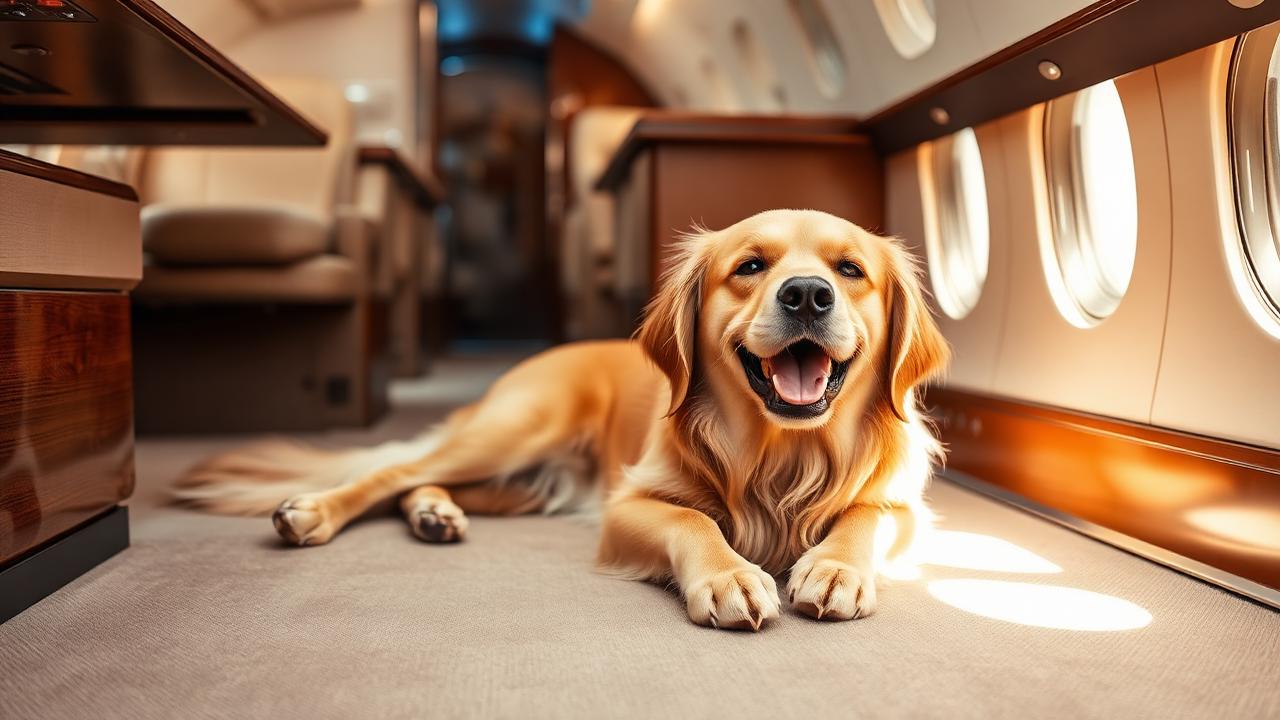
    Yes, on most charter aircraft, and usually without a crate. Pets travel in the cabin with their owners, seated on the floor or on a blanket, with no size embargo of the kind airlines apply. The limits are the operator's policy and common sense about a large dog on a small aircraft.

    This is why breeders, show handlers and families relocating with multiple animals lean on charter. It is the one segment where the private option is not a luxury upgrade so much as a different product.

    Our pet travel service page sits under charter services, and advisors confirm pet approval before any agreement is signed.

    Do all operators allow pets?

    No, and this is the single most important thing to understand. Pet policy is set by the operator and sometimes by the individual aircraft owner, so two aircraft of the same type on the same ramp can have opposite answers. Always declare pets at quote stage so the aircraft is selected around them.

    SituationTypical policyFee rangeWhat to confirm
    One small dog, light jetWidely accepted$0 to $500Cleaning fee and cabin rules
    Large dog over 70 poundsOften accepted, aircraft dependent$250 to $1,000Floor space and owner approval
    Multiple dogs, three or moreCase by case$500 to $1,500Weight, space and crate needs
    CatsWidely accepted$0 to $500Carrier requirement during taxi
    Service or working animalsAcceptedUsually noneDocumentation on file
    Exotic or unusual animalsCase by caseQuoted individuallyPermits and species rules

    Fees, where they exist, are usually cleaning fees rather than pet surcharges. Ask for them to be stated on the quote so nothing appears afterward.

    What paperwork does your pet need?

    For domestic trips, current rabies vaccination records are typically enough, and some operators ask for nothing at all. International travel is a different exercise entirely: a USDA-endorsed health certificate, destination-specific vaccination and microchip rules, and in some countries import permits that take weeks to obtain.

    Trip typeTypical requirementLead timeWho issues itCommon pitfall
    Domestic United StatesRabies certificateNone to a few daysYour veterinarianExpired vaccination date
    CanadaRabies certificate, ID1 to 2 weeksVeterinarianAssuming no paperwork is needed
    MexicoHealth certificate1 to 2 weeksVeterinarianCertificate issued too early
    CaribbeanHealth certificate, sometimes a permit2 to 8 weeksVeterinarian plus destination authorityIsland-specific permit delays
    European UnionMicrochip, rabies, health certificate3 to 8 weeksUSDA-accredited veterinarian, USDA endorsementMicrochip implanted after vaccination
    United KingdomMicrochip, rabies, tapeworm treatment for dogs4 to 8 weeksVeterinarian plus USDATreatment timing window missed

    USDA APHIS publishes destination-by-destination requirements, and Customs and Border Protection covers private aircraft arrival procedures. Start this four to eight weeks before an international trip rather than the week of.

    How much does flying with a pet add to the cost?

    Usually nothing beyond a cleaning fee of $250 to $1,000 when the operator charges one, because the aircraft price is driven by the trip rather than the passenger manifest. Pet fees may apply and vary by operator, so treat the quote rather than a general policy as the answer.

    What can move the price is aircraft selection. If pet approval is only available on a larger aircraft on your dates, the difference between a light jet and a midsize is real money. Rate structures by class are in our cost per hour guide.

    Flexible travelers can offset the cost with an empty leg, which prices 30 to 70 percent below standard charter, provided the operator on that leg accepts pets.

    How do you keep an anxious dog calm inflight?

    Wear them out first and keep boarding quiet. A long walk before departure, a familiar blanket in the cabin, water available, and a calm handover to the aircraft handle most nervousness. Charter helps here on its own, since there is no crate, no cargo hold and no separation from you.

    • Walk or exercise your dog thoroughly before heading to the airport.
    • Bring the blanket or bed they already sleep on, unwashed.
    • Feed lightly several hours before departure rather than immediately before.
    • Board early and quietly so they can settle before engines start.
    • Talk to your veterinarian about sedation well ahead; many advise against it at altitude.
    • Plan a relief break at the FBO on both ends, especially on flights over three hours.

    That veterinarian conversation should happen days ahead, not the morning of the trip. Sedatives interact with cabin pressure differently than they do at home, and the right answer varies by animal.

    What about takeoff, landing and cabin rules?

    Most operators ask that pets be settled on the floor or restrained during taxi, takeoff and landing, with cats commonly kept in a carrier for those phases. Beyond that, cabin rules are practical rather than restrictive: no jumping into the cockpit, no chewing on interiors, and owners are responsible for damage.

    Crews are generally used to pets, and many keep water bowls aboard. Tell your advisor the animal's size, temperament and any history of motion sickness so the crew is prepared rather than surprised.

    All operators we book hold FAA Part 135 certificates with current ARGUS, Wyvern or IS-BAO standing, which is unrelated to pet policy but worth confirming anyway; the standard is on our safety page.

    Your next move

    Declare your pets when you request the quote, including breed, weight and temperament, and ask for the operator's pet policy and any cleaning fee in writing. For international trips, call your veterinarian the same week you start planning, since paperwork rather than aircraft availability is the usual constraint.

    P3 Jets advisors arrange pet travel year-round and will match you to an operator that welcomes your animals. Call (844) 767-8370 or request a quote on the charter page.

    Sources and methodology

    Pricing ranges reflect P3 Jets quote and booking records over a rolling twelve months. Regulatory and travel requirements are drawn from the primary sources below.
    Frequently asked questions

    Can dogs fly in the cabin on a private jet?

    Yes, on most charter aircraft, and usually without a crate. Pets travel in the cabin with their owners, typically settled on the floor or on a familiar blanket, and there is no cargo hold, no size embargo and no temperature restriction of the kind commercial airlines apply. What varies is the operator's policy, and sometimes the individual aircraft owner's preference, which is why pets should be declared at quote stage so the aircraft is selected around them rather than approved afterward.

    Do all charter operators allow pets?

    No. Pet policy is set per operator and occasionally per aircraft, so two identical aircraft on the same ramp can have opposite answers. Most operators are pet friendly, particularly for dogs and cats, but a minority decline pets entirely and some restrict size or number. This is the single most important reason to declare pets when requesting a quote. A broker who knows the market can steer you to operators that welcome animals rather than merely tolerate them.

    Is there a fee for flying with pets?

    Pet fees may apply and vary by operator. Where a charge exists it is usually a cleaning fee rather than a pet surcharge, commonly $250 to $1,000 depending on the number and size of animals. Because the aircraft price is driven by the trip rather than the manifest, pets rarely change the underlying charter cost. Ask for any fee to be stated on the quote before you sign, so nothing appears on the final invoice that you had not agreed to.

    What paperwork does my dog need for a private flight?

    For domestic trips within the United States, a current rabies vaccination certificate is typically sufficient and some operators ask for nothing at all. International travel is more involved and usually requires a USDA-endorsed health certificate, microchip identification, destination-specific vaccination timing and, for some countries, import permits. Requirements are published by USDA APHIS destination by destination. Start four to eight weeks ahead, because paperwork rather than aircraft availability is usually what delays an international pet trip.

    Can large dogs fly on private jets?

    Yes, and this is one of charter's clearest advantages, since commercial airlines generally require large dogs to travel in cargo. Charter operators frequently accept dogs well over 70 pounds in the cabin, subject to available floor space and the operator's policy. On a light jet a very large dog may be tight, so your advisor may recommend a midsize aircraft for comfort. Tell us the breed and weight at quote stage and we will match the aircraft accordingly.

    How many pets can I bring?

    Multiple pets are common and three or more is handled case by case, depending on the aircraft, the total weight, the available floor space and the operator's policy. Breeders, show handlers and families relocating regularly move several animals at once by charter for exactly this reason. Provide the number, species, weights and whether any animals will be crated when you request the quote, so the aircraft and the operator are chosen with the full picture in view.

    Do pets need to be crated during the flight?

    Usually not for dogs, which typically travel loose in the cabin and are asked only to be settled or restrained during taxi, takeoff and landing. Cats are more often kept in a carrier for those phases, since they are likelier to move around unpredictably. Some operators or owners request a crate for larger animals. Confirm the specific requirement with your advisor before departure so you bring the right equipment rather than discovering the rule at the aircraft.

    How do I calm an anxious dog on a private jet?

    Exercise them thoroughly before heading to the airport, bring the unwashed blanket or bed they already sleep on, feed lightly several hours ahead rather than immediately before, and board early and quietly so they can settle before the engines start. Charter already removes the biggest stressors, since there is no crate, no cargo hold and no separation from you. Discuss sedation with your veterinarian days in advance, because many advise against it at altitude. Tell your advisor about any anxiety history so the crew can keep boarding calm and unhurried.

    Should I sedate my pet before flying?

    That is a decision for your veterinarian, and many advise against sedation for air travel because sedatives can affect breathing and temperature regulation differently at cabin altitude than they do at home. Have the conversation days before the trip rather than the morning of it, and bring any prescribed medication with clear instructions. For most animals the practical calming measures matter more: exercise beforehand, familiar bedding, a quiet boarding process and an owner in the cabin at their side.

    Can pets fly internationally by private jet?

    Yes, and charter often simplifies it because the aircraft can be routed to airports with the right customs and veterinary facilities. The requirements are the strict part rather than the flying: microchip identification, rabies vaccination on a specific timeline, a USDA-endorsed health certificate, and in some countries import permits or tapeworm treatment inside a defined window. Requirements differ sharply by destination, so start four to eight weeks out and work from the current USDA APHIS guidance for that country.

    Are there relief breaks for pets on long flights?

    Not inflight, so plan them at both ends. FBOs at general aviation airports usually have grass or a designated pet area, and your advisor can confirm before departure. On flights over about three hours, walk your dog immediately before boarding and arrange a break on arrival before ground transport. Some owners bring absorbent pads for the cabin as insurance on longer legs, which crews generally appreciate rather than object to. Water should be available throughout, and your advisor can confirm the FBO facilities at both ends before you depart.

    Does P3 Jets arrange pet friendly charters?

    Yes, year-round and for everything from a single small dog to multiple large animals relocating between states. We confirm the operator's pet policy and any cleaning fee before you sign, brief the crew on your animal's size and temperament, and coordinate ground transport and relief breaks at both ends. Pet fees may apply and vary by operator. Call (844) 767-8370 or request a quote and tell us the breed, weight and number of animals traveling.

    Ready to plan your next trip?

    Send us your itinerary and an advisor will respond with a quote and aircraft options.

    Speak to an Advisor

    Request a Charter Quote

    Step 1 of 3

    Tell us about your trip - airports, dates, and passengers.

    Full aircraft charters only - we do not offer by-the-seat bookings.

    Jet charter typically starts between $4,000 and $10,000 per flight hour, depending on aircraft category.

    1
    ~30 min response Certified operators only No obligation
    5.0496 reviews

    Rated by clients on Google & other platforms

    Read